A few people told me recently that I give away too much value in my newsletters, on my website and in my free eBooks. They argue that by giving away so much free information, I am making my own input as a coach unnecessary.
If only personal growth was that easy! I know from my own experience that reading personal growth advice and trying to do the work on your own, will not get you very far.
What does a life coach do for you?
A coach creates a space where you can freely and honestly explore what is going on in your life, who you really are and what you want to do. He or she will take you further than you can go on your own and also much faster. A life coach does this by:
- listening to you without bias or judgment;
- reflecting back to you what you cannot see yourself;
- challenging your beliefs and holding you accountable for your actions;
- teaching you basic life skills in areas where you may be holding yourself back;
- asking you powerful questions that enable the deep reflection required for clarity and transformation; and
- helping you generate new ideas and options to replace old self-limiting patterns.
Can you do it by yourself?
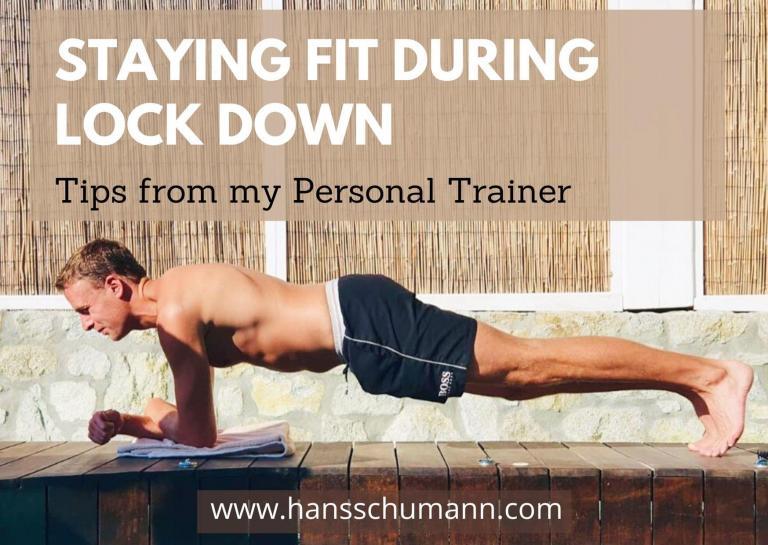
Reading about personal development is great but how many readers actually do the work that is suggested in books and articles; and when they do it, how deep do they go? It’s a bit like personal training. You can get ideas for exercises from a fitness magazine and start working out by yourself, but you will probably never push yourself as hard as a personal trainer would. You create better and faster results with the support of a trainer who understands your unique situation and designs a bespoke programme just for you, providing advice, setting challenges and holding you accountable along the way.
It’s the same with life coaching. I know this because I was a personal development junkie most of my life. For decades I read all the books and went to countless personal development seminars, but progress was slow. I could talk knowledgeably about all kinds of theories and techniques but I was not that great at applying them to my own life. It took a two-year-long health crisis to shake me up and force me to become serious about my personal growth (read more here).
To overcome my health crisis I signed up to a one-year intensive coaching programme and finally undertook the deep work that was needed. I gained clarity about my values, replaced all limiting beliefs, created goals and visions for my life, learned to manage my emotions, and changed unresourceful behaviours. I could not have done all of this without the support of my coach. He helped me see my blind spots, challenged my perceptions and kept me on track with my plans and ambitions week by week. It was the best investment I have made in my life. The outcome was my transition from the corporate world to coaching, a change that brought new freshness, inspiration and joy into my life.
How I help my life coaching clients
I now love doing the same for my clients. I take them deeper than they would ever go on their own. When they bring me their weekly completed homework, I often notice that they have only scratched the surface or missed the point of an exercise. Habit and denial are powerful forces in the human psyche and I am often struck by how difficult it can be for us to see their our own intricate patterns of self-limitation unless they are clearly pointed out.
Whilst most of the work in life coaching is done by the client, the contribution by the coach is pivotal. After hours of a client’s hard work and self-reflection, it can take just one well-timed comment or question from the coach to take the client that one step further, that one insight deeper, to facilitate a powerful breakthrough.
My clients are also far more likely to follow up on their actions when they know that they are going to see me again. And in the areas where they don’t follow up, I help them understand the important information that their procrastination or avoidance holds for them. We can then address those issues and make adjustments. There is never failure; only information. But to decode the language of avoidance, and learn from it, requires the clear sight of someone who is not entangled in the very beliefs that led to the avoidance in the first place. In these cases, more often than not, a client will begin a session feeling guilty and defensive about their own failure to follow through on an agreed action. However, if the coach can help them to drop their self-judgement and look clearly and compassionately at their behaviour, they will often end the session with radical new insight. These are often the most productive sessions of all.
I love this work and will always have my own coach – just as an athlete continues working with his or her sports coach throughout a successful career. There are always new goals and dreams, and better ways of achieving them. That’s the fascinating journey of the human experience.
Fancy exploring what life coaching could do for you? You can book a FREE Discovery Call with me here.